Safety Features to Include in Concrete Walks and Steps
People seeking concrete walks and steps installation often want safety features to prevent slips and falls, and local service providers can help incorporate these essential safety elements effectively.
If you’re considering improvements to your outdoor space, understanding the safety features to include in concrete walks and steps is an essential step. Property owners in the area often look into these features to prevent accidents, especially in high-traffic or uneven areas. Incorporating thoughtful safety measures can make a significant difference in reducing slip-and-fall risks and ensuring that everyone who uses the space feels secure. Whether planning a new installation or upgrading existing surfaces, exploring the options available can help you create a safer, more accessible environment.
Local contractors specializing in concrete walks and steps can provide guidance on practical safety features tailored to your property’s needs. From textured surfaces that improve traction to proper lighting considerations, these professionals understand how to enhance safety without compromising style or durability. As you read further, you'll discover the key safety features that can be integrated into your concrete projects, and how working with experienced local service providers can help bring those features to life efficiently and effectively.
- Concrete walks and steps installation services are essential for properties requiring slip-resistant surfaces to prevent accidents. Local contractors can incorporate textured finishes or added grip features to enhance safety in high-traffic or wet areas. When designing for accessibility, pros often include features like gentle slopes and tactile indicators to assist those with mobility challenges. For outdoor pathways exposed to the elements, experts may add non-slip coatings or slip-resistant aggregates to improve durability and safety. These services help ensure concrete walks and steps meet safety standards while maintaining functionality and aesthetic appeal.



When searching for information about safety features to include in concrete walks and steps, homeowners are often concerned with making outdoor spaces safer for everyday use. This topic typically relates to projects involving residential properties such as front or backyard pathways, porch steps, or accessible routes around a home. Many property owners want to prevent slips, trips, and falls, especially in areas prone to weather-related hazards like rain or snow. As a result, they look for practical safety enhancements that can improve stability and reduce the risk of accidents, ensuring that their outdoor walkways and steps are secure for family members, visitors, and neighbors.
The types of problems that lead homeowners to explore safety features for concrete walks and steps often involve uneven surfaces, poor lighting, or slick materials. These issues can cause dangerous conditions, particularly for children, seniors, or anyone with mobility challenges. When planning a project, many consider features like textured finishes to improve traction, adequate lighting to enhance visibility at night, or proper slope and drainage to prevent water pooling. These plans are part of broader efforts to create accessible, reliable outdoor walkways that withstand weather conditions and regular use. Local contractors who specialize in concrete installation can advise on the best safety features to incorporate based on the specific property layout and environmental factors.
Properties that typically come up in these discussions include residential homes with front entrances, backyards with garden paths, or multi-level properties requiring steps for access. Commercial properties, such as small business storefronts or community centers, may also seek safety features for their outdoor walkways. In all cases, the goal is to ensure that concrete surfaces are not only durable but also safe for everyday activity. Local service providers experienced in concrete walks and steps can help evaluate the property's unique needs and recommend safety features like slip-resistant finishes, handrails, or proper lighting installation to enhance overall safety and usability.
Incorporating safety features into concrete walks and steps is a practical step toward creating a secure outdoor environment. Homeowners often rely on local contractors to handle the technical aspects of installing these features correctly. Whether it’s adding textured finishes to improve traction, installing lighting to increase visibility, or designing steps with appropriate riser heights and handrails, these professionals can ensure safety considerations are integrated into the project from the start. By working with experienced local providers, property owners can achieve concrete walkways and steps that are not only functional and attractive but also safer for everyone who uses them.
Concrete driveway projects - These projects involve planning and installing durable surfaces where safety features like non-slip finishes can be integrated, similar to concrete walks and steps.
Patio and outdoor living space installations - Designing safe, accessible outdoor areas requires attention to slip-resistant surfaces and proper planning, paralleling safety considerations in walkways and steps.
Sidewalk construction and repair - Local contractors working on sidewalks focus on safety features such as even surfaces and slip-resistant textures, aligning with concrete walk safety enhancements.
Staircase and ramp installations - Installing safe, accessible stairs and ramps involves planning for slip resistance and stability, similar to safety features in concrete steps.
Landscape and hardscape design projects - These projects often include integrating safety features like textured surfaces and proper lighting, which are also crucial for concrete walk safety.
Parking lot paving and repair - Ensuring safety through slip-resistant surfaces and proper drainage in parking lots relates closely to safety features in concrete walks and steps.
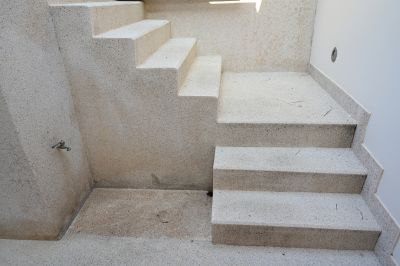
When comparing service providers for concrete walks and steps installation, it’s important to evaluate their experience with similar projects. Homeowners should seek out local contractors who have a proven track record of incorporating safety features to include in concrete walks and steps, such as slip-resistant surfaces, proper drainage, and appropriate step dimensions. Asking about past work that involved safety considerations can provide insight into their familiarity with best practices and the specific requirements needed to enhance safety in outdoor walkways and steps.
Clear written expectations are essential when choosing a contractor. Homeowners should look for providers who can offer detailed project plans, including the safety features they intend to incorporate and how these will be integrated into the overall design. A comprehensive scope of work helps ensure that both parties are aligned on safety priorities and that the project will meet specific needs. Well-documented expectations also serve as a reference throughout the project, reducing misunderstandings and ensuring that safety considerations are prioritized during installation.
Reputable references and effective communication are key factors in selecting the right service provider. Homeowners should ask for references from previous clients who had similar safety-focused installations, as this can reveal the contractor’s ability to deliver quality work that emphasizes safety features to include in concrete walks and steps. Additionally, good communication ensures that questions about safety considerations are addressed clearly and promptly, fostering a collaborative process. Choosing a contractor who maintains open lines of communication and has a solid reputation can lead to a successful project that aligns with safety goals and overall expectations.
Property owners often search for safety features to include in concrete walks and steps when they are planning practical projects around their homes and businesses. Local pros provide Concrete Walks and Steps Installation services for everyday jobs and straightforward project options.


Property owners often seek out information on safety features to include in concrete walks and steps to ensure their outdoor spaces are secure and accessible for everyone. Common concerns include preventing slips and falls, especially in areas prone to moisture or ice, and making sure steps are easy to navigate for all visitors. Local contractors who specialize in concrete installation can incorporate features such as textured surfaces, proper lighting, and gentle slopes to enhance safety and reduce the risk of accidents. Considering these features during installation can help create a safer environment for family, guests, and neighbors alike.
When planning concrete walks and steps, many property owners look for practical safety enhancements that can be handled by experienced service providers in the area. These professionals can recommend and install features like non-slip finishes, rounded edges, and secure handrails to improve stability and support. Properly designed steps with consistent riser heights and clear markings also contribute to safer outdoor pathways. Connecting with local contractors who understand the importance of safety features can ensure that concrete projects meet practical needs while maintaining durability and visual appeal.
What safety features should be included in concrete walks and steps? Features such as textured surfaces for slip resistance, proper drainage to prevent water accumulation, and adequate lighting can enhance safety. Local contractors can incorporate these elements during installation to improve safety and accessibility.
How can I prevent slipping on concrete walks and steps? Adding slip-resistant finishes or coatings, especially in high-traffic or wet areas, can reduce the risk of slipping. Service providers can recommend and apply these safety features during the installation process.
Are handrails necessary for concrete steps? Yes, handrails provide support and stability, especially for elevated or uneven steps. Local installation experts can include handrails as part of safety features for steps to improve user safety.
What role does lighting play in safety for concrete walks and steps? Proper lighting illuminates pathways and steps, reducing the risk of trips and falls. Many local contractors can install lighting fixtures as part of the project to enhance nighttime safety.
Can drainage improvements be part of safety features in concrete walks and steps? Yes, proper drainage prevents water pooling and ice formation, which can cause slips and falls. Service providers can integrate effective drainage solutions during installation to promote safety.
Non-slip surfaces - Incorporating textured finishes or slip-resistant coatings can help prevent accidents on wet or icy concrete walks and steps, and local contractors can apply these safety features during installation.
Adequate lighting considerations - Planning for proper lighting around concrete pathways ensures visibility at night, and experienced service providers can recommend and install suitable fixtures.
Proper edge and step design - Including rounded edges or contrasting color accents can improve visibility and reduce tripping hazards, with local pros able to incorporate these features into the project.
Handrails and support features - Installing sturdy handrails along steps and walkways provides additional stability, and local contractors can ensure these safety features are securely integrated.
If you are thinking about safety features to include in concrete walks and steps for a property, this guide is meant to help you understand this topic, the typical project types, and how different options might fit your plans.
When you are ready, you can use the quote form on this page to share a few details about your project. From there, local pros can review the basics and follow up with options that match what you have in mind.